
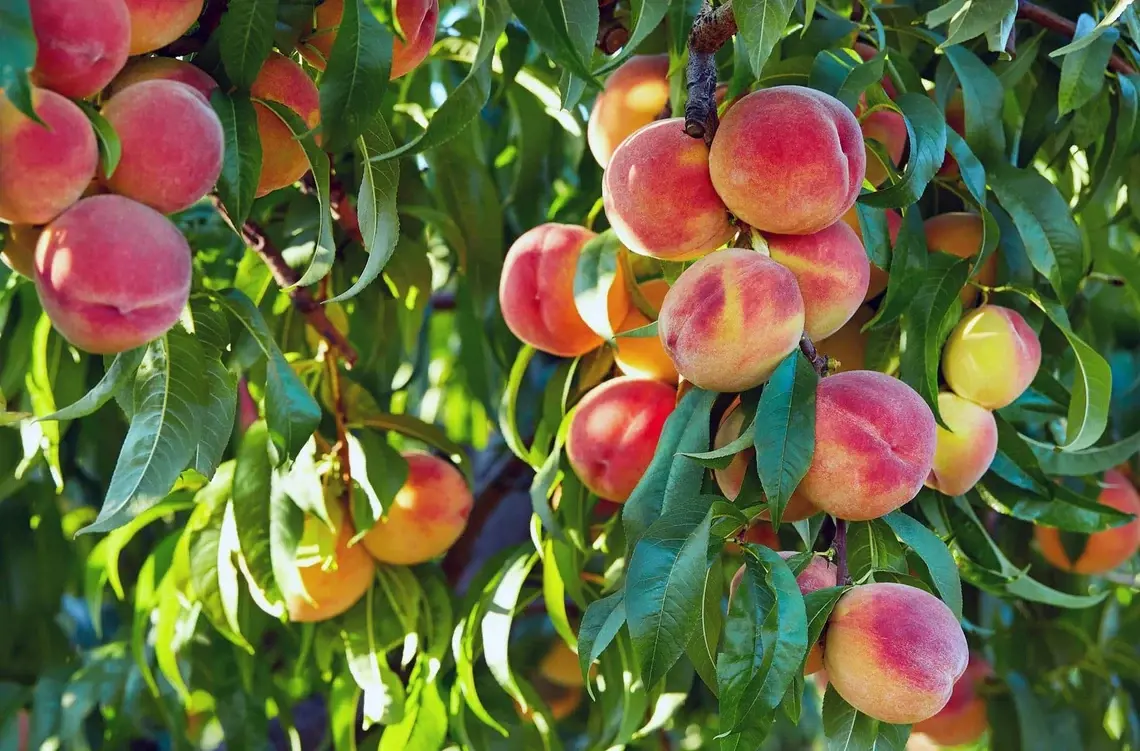
A warm climate, in the sense that matters for fruit, is one where winter rarely bites hard and summer runs long. That describes most of Florida, the Gulf coast, the lower half of Texas, and the warmer parts of Arizona and California. It gives you a growing season long enough for true tropicals and just enough winter chill for low-chill stone fruit. Very few climates can do both.
The three things that actually decide what survives
Cold, but only occasionally. A typical winter here dips to the high twenties once or twice. Every decade or so a real freeze arrives and takes everything marginal with it. Plant your tender tropicals where a building or a canopy tree breaks the radiational cooling, and accept that a papaya is a four-year plant.
Sand. Much of this ground is deep, fast-draining sand that holds almost no nutrients. This is why avocados and sapodilla thrive in it and why blueberries need help. Feed little and often rather than heavily and rarely, because everything you apply washes straight through.
Summer water. June through September delivers most of the year's rain, often all at once. Anything that will not tolerate a waterlogged week in August does not belong here. Plant on a slight mound if you have any doubt.
What this means variety by variety
Mango, avocado, guava, longan, banana and sapodilla are all comfortable in a warm climate. Lychee will grow but needs a cool dry winter spell to flower reliably, so crops vary year to year. Low-chill peaches and plums bred by the University of Florida fruit well because 150 to 300 chill hours is exactly what they were selected for. Apples and cherries will not work, whatever a catalogue tells you.